


A Parent's Guide to Children's Dental Health: From First Tooth to Teen Years
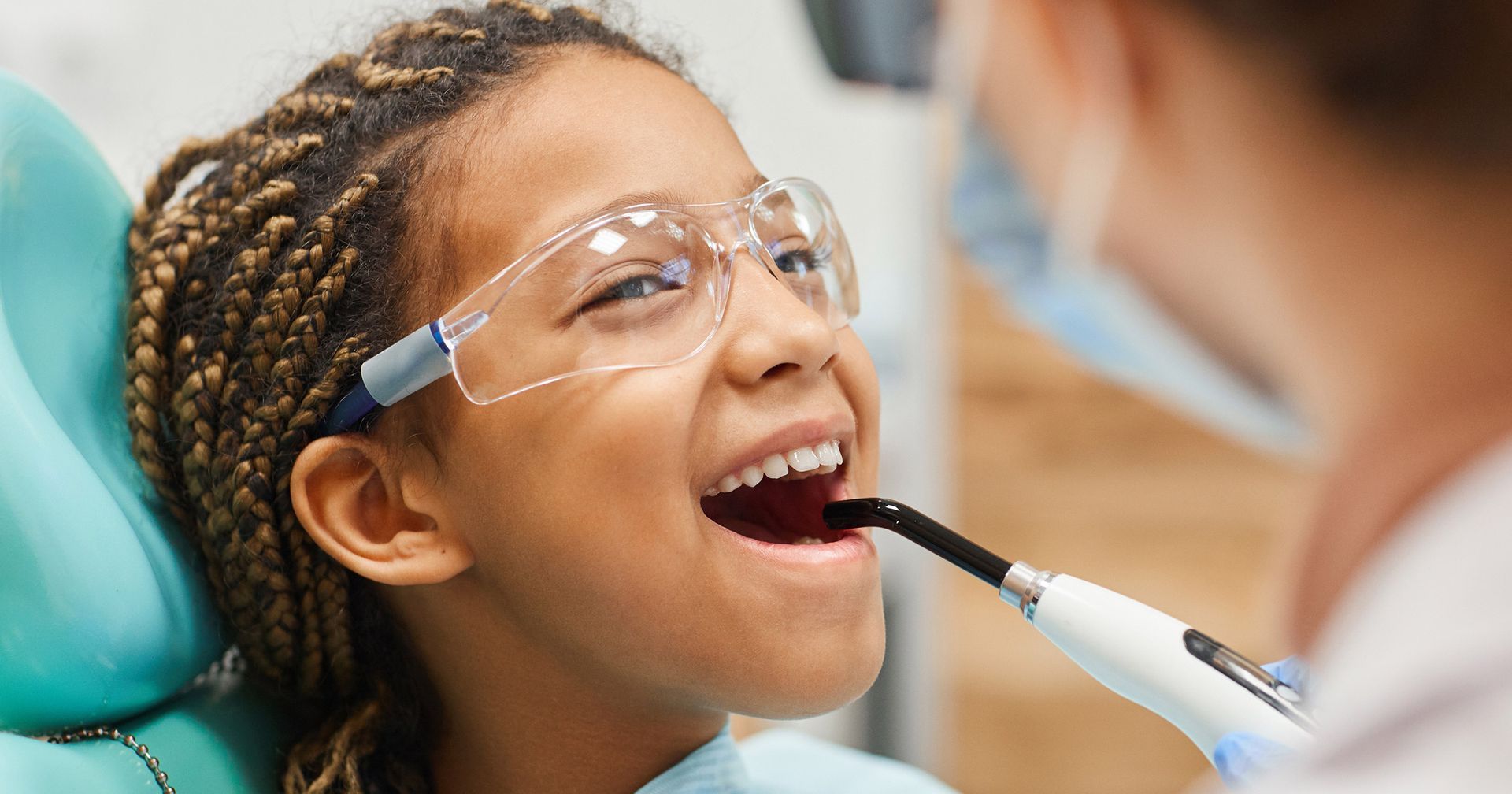
Navigate every stage of children's dental health with confidence. From their first tooth to their teenage years, our guide provides essential tips and insights.
Your baby's first tooth marks the beginning of lifelong dental care and teething changes. Early dental appointments help track tooth development and identify concerns before they become painful problems. Daily brushing habits and healthy food choices help prevent cavities and protect developing teeth.
The CDC reports that nearly 11% of kids between the ages of 2 and 5 had untreated cavities in their baby teeth. This number increases to nearly 20% by the ages of 6 and 8. Untreated cavities can affect speech, eating habits, and healthy tooth development during childhood.
As a parent, taking proactive steps early on can support stronger teeth and healthier oral routines. You can help your child build positive oral hygiene habits that continue through the teenage years.
How Does Nutrition During Pregnancy Affect a Baby's Future Teeth?
Pregnancy nutrition shapes early tooth formation and later enamel strength in children. Pregnant women are often advised to consume foods that are rich in:
- Calcium
- Vitamin D
- Phosphorus
- Iron
- Protein
- Folate
These nutrients help support strong developing tooth buds and promote healthy jaw formation before birth. A poor maternal diet may reduce enamel quality and increase early decay risk. Balanced nutrition supports better spacing, alignment, and stronger oral development during growth.
What Are the Common Causes of Chronic Bad Breath in Children?
Chronic bad breath in children usually stems from poor oral hygiene and plaque accumulation. Food particles trapped between teeth allow bacteria to grow, producing unpleasant odors throughout the day.
Other factors that can worsen the problem include:
- Dry mouth
- Tonsil infections
- Sinus issues
- High sugar intake
- Low hydration
Consistent routines support fresher breath and healthier mouths over time. Oral hygiene for kids plays a key role in reducing bacterial growth and improving overall oral freshness.
Can Genetics Determine How Prone a Child Is to Cavities?
Genetics can influence several aspects of a child's oral development, including:
- Enamel strength
- Saliva flow
- Tooth shape
- Jaw structure
- Bite alignment
Some children may inherit softer enamel, which increases their vulnerability to cavities. A family history of cavities often signals higher risk levels in early childhood years. Genetic traits do not determine outcomes alone since habits still play major roles.
Diet, hygiene routines, and dental visits strongly influence cavity development across all children. The environment often interacts with genetics to shape overall oral health patterns. Parents can reduce inherited risks by reinforcing consistent care routines and balanced nutrition.
From First Tooth to Teen Years: Dental Care Guide
Parents guide dental habits from early stages, shaping comfort and confidence with daily routines. Early experiences influence how children view:
- Brushing
- Dentist visits
- Long-term oral care habits
- Flossing routines
- Daily hygiene responsibility
Positive early exposure helps shape confidence and comfort around dental care. Establishing good dental habits during childhood supports stronger oral health routines that often continue into the teenage years and beyond.
Teething Tips for Babies
Teething often begins with discomfort as the first teeth push through tender gums slowly. Babies may:
- Become irritable
- Chew objects
- Experience increased drooling
- Have disrupted sleep
- Show gum sensitivity
Cold teething rings and gentle gum massage help ease discomfort naturally and safely. Calm routines help babies adjust better to emerging teeth and early sensations. Early comfort practices support smoother transitions into later oral development stages.
Start Early: First Appointments
Scheduling early dental care helps monitor growth and identify concerns before they progress further. Baby's first visit to the dentist introduces children to a calm dental environment early. Early visits also help parents understand brushing methods and feeding habits affecting teeth.
Familiarity reduces anxiety and builds trust between children and dental professionals over time. To ensure your child has a friendly experience, choose a dental practice like Garland K. Davis Family Dentistry.
Our team is made up of highly trained and friendly dentists who focus on comfort and gentle care. You can trust us to support early oral development and guide healthy routines from the start.
Choosing Kid-Friendly Toothpaste
Children respond better to toothpaste flavors and textures designed specifically for younger users. Mild fluoride formulas help protect enamel while remaining gentle on sensitive, developing mouths.
Bright packaging and small brush sizes encourage children to engage more with brushing routines. Choosing suitable products promotes comfort and ensures long-term consistency in daily oral care practices.
Preventing Early Childhood Cavities
Early cavities often develop due to prolonged sugar exposure and inconsistent oral hygiene routines at home. Oral hygiene for kids plays a major role in reducing decay risks during growth.
Water intake and reduced sugary snacks help maintain healthier enamel throughout early childhood stages. Parents who guide routines early often see fewer dental issues later in development.
Healthy Brushing Habits
Consistent brushing routines help remove plaque and maintain strong enamel across childhood development stages.
Establishing good dental habits builds discipline and confidence around daily oral care activities.
Supervised brushing promotes proper technique as children gradually develop coordination and independence. Strong routines reduce cavity risks and improve long-term oral stability and comfort.
Dealing With Thumb Sucking
Thumb sucking provides comfort for many children during early emotional and developmental stages. Teaching kids about dental health helps children understand how habits affect teeth alignment.
Gentle guidance and distraction techniques can reduce dependency on the habit. Supportive communication helps children transition away from sucking behaviors without stress or pressure.
Protecting Teeth During Sports
Sports activities increase the risk of dental injuries from:
- Falls
- Physical contact
- Collisions with other players
- Improper use of sports equipment
- Hard surfaces during play
- Contact sports without protection
Mouthguards provide protection against chipped teeth, fractures, and soft tissue injuries during play. Awareness of safety habits helps children remain active while protecting their developing smiles. Preventive care supports confidence in both sports participation and oral safety awareness.
Nutrition for Strong Teeth
Balanced diets support enamel strength and gum health throughout childhood and adolescence. Calcium-rich foods like dairy and leafy greens help maintain strong teeth structure over time.
Limiting sugary snacks reduces cavity risk and supports healthier oral environments during growth. Good nutrition works together with daily care to effectively protect developing smiles.
Braces and Orthodontic Care
Orthodontic treatment during the teenage development stages focuses on improving oral structure and overall dental function, including:
- Alignment issues
- Bite function
- Tooth spacing
- Jaw development
- Long-term oral stability
The importance of pediatric dentistry helps ensure early identification of alignment concerns and timely intervention planning.
Braces require careful cleaning routines to prevent plaque buildup around the brackets and wires.
Frequently Asked Questions
How Often Should Children Visit a Dentist Yearly?
Children should have dental visits every six months for consistent monitoring and preventive care. Regular checkups help identify early oral health concerns, including:
- Cavities
- Alignment issues
- Gum concerns
- Tooth wear patterns
- Early enamel damage
Dentists also track growth patterns and guide parents on improving daily care routines. Routine visits support cleaner teeth and lessen the need for complex treatments later. Early attention builds confidence and familiarity with dental environments throughout childhood development.
What Causes Sensitivity in Newly Erupted Permanent Teeth?
Newly erupted permanent teeth often feel sensitive due to thin enamel layers and exposure. Temperature changes, sugary foods, and acidic drinks can trigger discomfort during the early stages. Gum tissue around emerging teeth may also remain tender for some time.
Sensitivity usually reduces as enamel strengthens through daily care and fluoride exposure. Consistent cleaning helps protect new teeth and supports smoother adjustment during growth.
How Do Wisdom Teeth Affect Teenage Oral Health?
Wisdom teeth can create pressure, crowding, and discomfort when space remains limited in the jaw. Some teenagers experience swelling or pain as these teeth begin emerging. Partially erupted wisdom teeth may trap food, increasing the risk of cavities in surrounding areas.
Dentists monitor growth patterns and recommend removal when alignment issues appear. Early evaluation helps prevent complications and supports balanced oral structure during late adolescence.
Can Sleep Habits Influence Children's Dental Development Patterns?
Sleep habits influence jaw growth, breathing patterns, and overall oral development during childhood years. Mouth breathing during sleep may affect tooth alignment and facial structure over time.
Poor sleep quality can also reduce saliva flow, increasing cavity risk during rest periods. Consistent sleep routines support healthier growth and better oral function. Balanced rest patterns help maintain proper development of teeth and surrounding structures.
What Role Does Saliva Play in Cavity Prevention?
Saliva helps wash away food particles and neutralize acids produced by oral bacteria. It supports enamel strength by delivering minerals that repair early tooth damage. Reduced saliva flow increases the risk of decay and plaque buildup across the tooth surfaces.
Hydration and balanced diets help maintain healthy saliva production throughout the day. Strong saliva function supports cleaner mouths and lowers cavity formation during childhood growth stages.
First Tooth to Teen Years: Lifelong Dental Care Guide
Children's oral health journey begins with the first tooth and continues through adolescence. Each stage brings unique needs, from teething care to orthodontic support and prevention habits.
At Garland K. Davis Family Dentistry, we provide family, preventive, and emergency dental care services. We have been operational for more than three decades in Laurel, Maryland, serving nearby communities with consistent care. Our team focuses on patient education, comfort, and long-term oral health for every stage of life.
We guide families through early exams, routine cleanings, and treatment planning with a calm approach.
Schedule a dental appointment for your kids and support healthier smiles from the start.