


Single Tooth, Full Arch: Understanding the Different Types of Dental Implants (All-on-4, 6, X Explained)
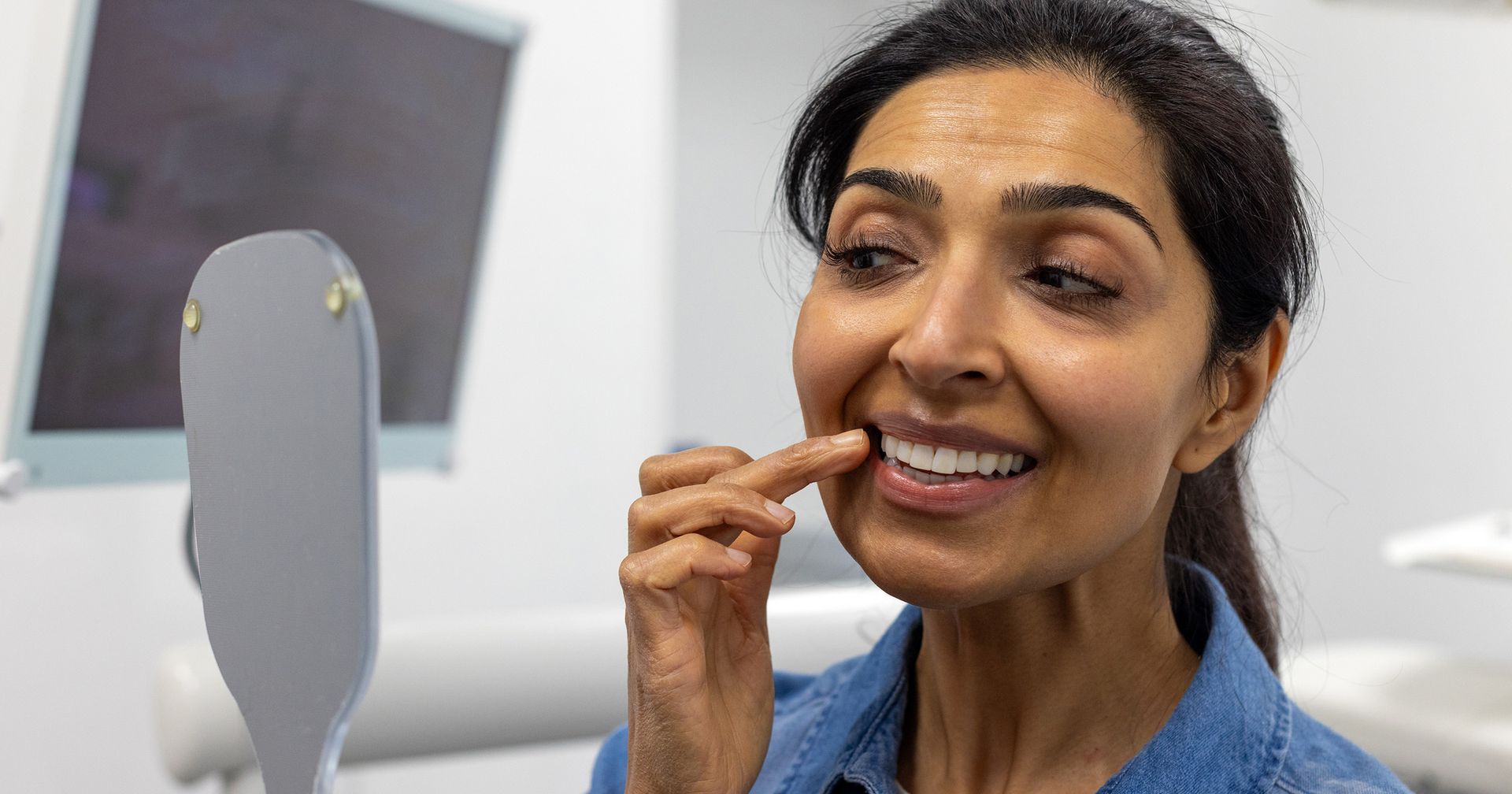
Discover types of dental implants, from single tooth to full arch. Explore options like All-on-4, 6, and X, and find the best fit for your smile.
Dental implants can replace one tooth, several teeth, or an entire arch with a solution that looks natural and feels secure. For adults balancing work, family, and everything in between, that kind of stability matters because it supports comfort, confidence, and everyday function.
If you are exploring dental implants in Laurel, it helps to understand the different approaches before choosing a treatment plan. At Garland Davis DDS, patients can learn about replacement options built around comfort, appearance, and long-term oral health.
The best implant plan is not just about replacing a tooth. It is about rebuilding everyday function in a way that fits your life.
Why Replacing Missing Teeth Matters
Missing teeth can impact more than your smile. They can change the way you eat, speak, and even how your bite fits together over time. That is why many adults start looking into good reasons to replace missing teeth before small changes become larger problems.
When a tooth is gone, nearby teeth may shift into the empty space. The jawbone in that area can also begin to shrink because it is no longer receiving stimulation from the tooth root. Those health risks and changes can make future treatment more complicated.
Replacing a missing tooth is not just cosmetic. It helps protect the structure around it.
What Are the Main Types of Dental Implants?
There are several types of dental implants, and each one is designed for a different level of tooth loss. Some restore a single tooth. Others rebuild a full arch of teeth.
The right option depends on your oral health, the number of teeth involved, and how much support your jaw can provide.
That is why a careful exam matters. A treatment plan should start with the problem that needs to be solved, not with the implant type alone.
For patients searching for dental implants in Laurel, MD, understanding these categories is the first step toward a plan that feels clear instead of overwhelming.
Single Tooth Dental Implants: A Focused Solution
Single tooth dental implants are often the best choice when only one tooth is missing. The implant acts like a new root, and a custom crown is attached on top to restore the visible part of the tooth.
This option is ideal when the goal is to preserve neighboring teeth. Unlike a traditional bridge, a single implant usually does not require reshaping the teeth on either side of the gap.
Patients can learn more through single tooth dental implants and a detailed overview of what to expect from a single implant.
For many working adults, a single implant offers a practical balance of appearance and durability. For patients seeking a less invasive restorative option, same-day crowns can repair a damaged tooth in a single visit. It offers both protection and a natural appearance without the need for a temporary restoration.
Full Arch Dental Implants: When More Than One Tooth Is Missing
When several teeth are missing or when a full upper or lower arch needs replacement, full arch dental implants can create a more complete solution. These systems use a small number of implants to support a full set of replacement teeth.
That is where options such as All-on-4, All-on-6, and All-on-X come in. Each approach uses strategically placed implants to support a full arch restoration, but the exact number of implants and placement pattern may vary.
Patients exploring All-on-4 dental implants and related full-arch options can better understand which approach may fit their needs.
Full arch treatment can be a game-changer for people who want a stable, confident smile without replacing each tooth separately.
All-on-4, All-on-6, and All-on-X Explained
The difference between these options usually comes down to how many implants are used and how the final restoration is supported.
All-on-4 dental implants typically use four implants to support a full arch of teeth. This option is often discussed when jawbone support is limited or when a more streamlined approach is preferred.
All-on-6 dental implants add additional support with six implants. That extra support can be helpful for certain patients depending on bone quality, bite pressure, and long-term planning.
All-on-X is a broader term that refers to a customized number of implants based on individual needs. It gives the provider flexibility to build a solution around the mouth, not around a preset template.
That flexibility is one reason many patients ask about implant-supported dentures and bridges as part of a larger restorative discussion.
How Implant-Supported Dentures and Bridges Fit In
Not every patient needs a full fixed arch. Some people benefit from implant-supported dentures and bridges, which combine the stability of implants with the structure of a denture or bridge.
This approach can be a strong option when several teeth are missing, but a full arch replacement is not necessary. It can also help improve comfort and reduce the movement that sometimes comes with traditional removable appliances.
For patients who want to compare options carefully, this complete guide to dental implants can help frame the bigger picture
.
What to Look For in a Dental Implants Dentist
Choosing the right provider matters just as much as choosing the right implant type. The most effective results usually come from a dentist who understands planning, placement, restoration, and long-term maintenance.
That is why many patients review resources like what to consider when choosing a dental implant dentist in Laurel before making a decision.
It also helps to know what questions to ask before moving forward. A strong consultation should cover treatment goals, healing time, bone support, and the long-term outlook for the restoration.
You can prepare by reviewing questions to ask your implant dentist so the appointment feels productive from the start.
What to Expect Before and After Dental Implant Treatment
Before treatment begins, your dentist will typically evaluate your gums, bone structure, bite, and overall oral health. That helps determine whether you are a candidate for a single implant, a full arch solution, or another restorative option.
For many adults, the process feels more manageable once they understand the timeline. A helpful overview of before and after dental implant care can reduce uncertainty and set realistic expectations.
After placement, healing is a major part of the process. The implant needs time to integrate with the jawbone, which is one reason patience plays such an important role in success.
If you want more details about recovery and maintenance, what to expect with dental implants offers a helpful overview of the treatment journey.
How Long Do Dental Implants Last?
One of the biggest reasons patients choose dental implants is longevity. With the right care, implants can last for many years with a high success rate and often become a long-term part of the smile restoration plan.
Success depends on healthy gums, good daily hygiene, and regular dental visits. It also depends on choosing the right restoration for the right situation.
If you are comparing treatment choices, dental implant longevity is worth understanding before making a final decision.
Frequently Asked Questions
How Do I Know Which Type of Dental Implant Is Right for Me?
The right option depends on how many teeth are missing, how much bone support is available, and what your long-term goals are. A single implant, bridge-supported option, or full arch restoration may all make sense depending on the situation.
A consultation helps sort through those choices so the treatment plan fits your mouth instead of forcing your mouth to fit the treatment.
Are Full Arch Dental Implants Harder to Maintain Than a Single Implant?
Maintenance is different, not necessarily harder. A single implant is cleaned much like a natural tooth, while full arch restorations often require special cleaning tools and more detailed daily care.
Regular visits and good home hygiene help protect both types of restorations over time.
Can Dental Implants Replace Old Bridges or Dentures?
Yes, in many cases, implants can replace or support older restorations. Some patients move from removable dentures to implant-supported options because they want more stability and comfort.
Others replace an aging bridge with a more durable implant-based solution.
Can I Get Dental Implants If I Have Gum Disease or Bone Loss?
Yes, but active gum disease must be treated first. Bone loss may require a bone graft before implants can be placed. Your dentist will evaluate both conditions during your consultation and recommend any preparatory treatments needed before moving forward with implant surgery.
Are Dental Implants Covered by Dental Insurance?
Coverage varies widely by plan. Some policies cover a portion of the implant crown or abutment, while others may cover the extraction or bone graft but not the implant fixture itself.
Choose the Implant Solution That Fits Your Smile
Dental implants can restore one tooth, several teeth, or an entire arch with options that support lasting function and a confident appearance. Whether you are comparing single tooth dental implants, All-on-4, All-on-6, or All-on-X, the best choice depends on your mouth, your goals, and the plan built around them.
At Garland Davis DDS, patients in Laurel can explore restorative options that are designed to feel practical, personalized, and long-lasting. From dental implants in Laurel, MD, to guided treatment planning, the focus stays on helping adults rebuild their smiles with confidence.
When the right plan meets the right provider, a better smile becomes a realistic next step.