


Beyond Brushing: Essential Habits for Optimal Oral Health at Every Age
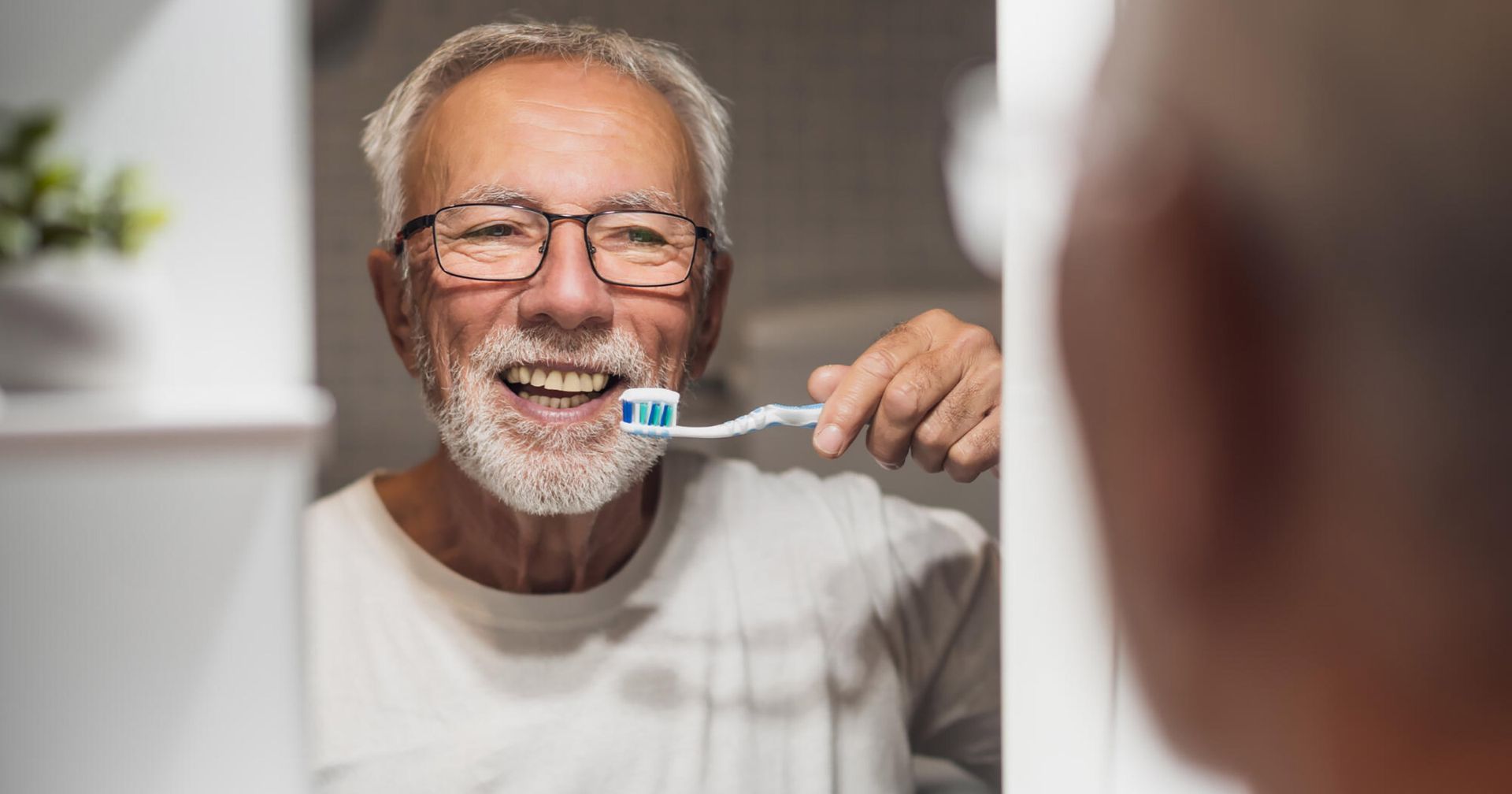
Discover how to improve your oral health with proven tips from experts. Schedule your consultation today to ensure your smile stays bright and healthy.
Strong daily habits shape lifelong smiles, and the right routine keeps problems away before they start. Oral health depends on simple, consistent actions that protect teeth, support gums, and reduce long-term risks.
Nearly 3.5 billion people worldwide suffer from oral diseases, according to the World Health Organization. That number highlights how common dental issues remain, even with modern care options available. Small daily habits still make the biggest difference in keeping teeth and gums strong over time.
Poor routines often lead to decay, gum problems, and discomfort that builds slowly but becomes harder to fix later. Simple changes can shift that path; better brushing, smarter food choices, and regular checkups all work together to protect your smile.
The good news is that improving your routine does not require drastic changes. With the right approach, you can strengthen your oral health at every age and avoid many common issues; read on.
What Happens If You Ignore Oral Health?
Skipping daily care can lead to more than surface-level problems. Plaque builds quickly, and without removal, it hardens into tartar that brushing alone cannot fix. This creates the perfect environment for bacteria to grow and spread.
Over time, untreated buildup can cause decay, gum irritation, and even tooth loss. Pain and sensitivity often follow, making simple tasks like eating uncomfortable. Ignoring early signs allows small issues to turn into long-term damage that requires more complex care.
How Often Should You Update Your Oral Hygiene Routine?
Routines should evolve as needs change with age and lifestyle. What works in your twenties may not support your teeth and gums later on, especially as enamel wears and gums become more sensitive.
Regular dental visits help identify when adjustments are needed. Changes might include switching products, refining brushing technique, or adding new steps like flossing aids. Keeping your routine updated ensures it continues to protect your oral health effectively over time.
Build a Strong Daily Oral Hygiene Routine
Consistency keeps your teeth and gums in good shape. A simple structure followed each day helps reduce buildup and supports long-term results.
Focus on forming habits that are easy to maintain and effective over time:
- Brush twice daily
- Use soft bristles
- Floss every day
- Rinse after meals
- Replace toothbrush
Small daily actions matter more than occasional deep cleaning sessions. A steady oral hygiene routine:
- Helps control plaque
- Supports gum health
- Keeps your smile looking fresh
Brushing should last at least two minutes to fully clean each surface. Move slowly across every tooth, paying attention to hard-to-reach areas near the back. Skipping sections allows plaque to stay behind and build up.
Flossing removes debris that brushing cannot reach between teeth. This step helps prevent gum irritation and reduces the risk of decay forming in tight spaces. Done daily, it strengthens your overall routine and keeps your mouth balanced.
Choose Foods that Support Healthy Teeth Habits
What you eat directly affects your teeth and gums. Sugary and acidic foods wear down enamel, while nutrient-rich options help strengthen it.
Making better choices can reduce the risk of decay and discomfort:
- Crunchy vegetables
- Dairy products
- Leafy greens
- Water intake
- Limit sugars
Smart food choices protect enamel and reduce harmful bacteria in your mouth. Following healthy teeth habits makes it easier to maintain strong teeth without relying on corrective treatments later.
Foods high in calcium help reinforce enamel and support tooth strength. Cheese, yogurt, and milk create a protective effect that reduces acid damage after meals. These options also help balance the mouth's natural pH levels.
Crunchy fruits and vegetables act as natural cleaners while you eat. They stimulate saliva production, which washes away food particles and bacteria. This added benefit supports a cleaner mouth between brushing sessions.
Prevent Problems With Regular Dental Visits
Routine checkups from a reputable dentist help catch issues early before they become more serious. Professional cleanings remove buildup that daily brushing cannot reach.
This keeps your mouth in better condition over time:
- Schedule twice yearly
- Professional cleaning
- Early detection
- Gum checks
- X-ray reviews
Early care prevents bigger issues and keeps treatment simple and manageable. Regular visits also support gum disease prevention by addressing concerns before they worsen.
Good dentists can identify early signs of decay before pain develops. Treating issues at this stage often requires less invasive care and reduces long-term costs. Waiting too long can lead to more complex procedures.
Cleanings also remove hardened tartar that cannot be brushed away. This reduces inflammation and helps gums stay firm and healthy. Keeping up with visits ensures your routine stays effective and up to date.
Improve Technique for Better Dental Care Tips
Brushing and flossing correctly makes a noticeable difference. Poor technique can leave behind plaque even when you follow a routine.
Small adjustments can improve how effective your efforts are:
- Angle toothbrush
- Gentle pressure
- Two-minute brushing
- Floss correctly
- Clean tongue
Technique matters more than effort when it comes to removing plaque. Following proper dental care tips ensures each step in your routine works as intended.
Holding your toothbrush at a slight angle helps clean along the gumline. This area collects bacteria easily and needs extra attention to stay healthy. Brushing too hard can damage enamel and irritate gums over time.
Floss should glide gently between teeth without snapping. Moving it along each side helps remove hidden buildup and reduces the risk of gum issues. A careful approach improves results without causing discomfort.
Protect Your Smile With Long-Term Habits
Long-term consistency builds stronger results than short bursts of effort. Protecting your teeth requires attention to both daily habits and lifestyle choices.
The goal is to reduce risk factors that damage enamel and gums:
- Avoid smoking
- Limit alcohol
- Stay hydrated
- Manage stress
- Wear protection
Long-term habits shape lasting results and reduce the chances of serious dental issues. Preventing tooth decay becomes easier when your daily choices support overall oral health.
Hydration plays a key role in maintaining saliva flow throughout the day. Saliva helps wash away bacteria and neutralize acids that weaken enamel. Drinking water regularly supports a cleaner and healthier mouth.
Lifestyle choices also affect gum health and overall stability. Smoking and excessive alcohol can slow healing and increase inflammation. Reducing these habits helps protect your smile and maintain strong oral health over time.
Frequently Asked Questions
What Are the Early Signs of Gum Disease?
Gum disease often starts with subtle symptoms that are easy to overlook. Redness, slight swelling, and bleeding when brushing are common early warning signs that should not be ignored.
As it progresses, gums may begin to recede, and teeth can feel more sensitive. Addressing these signs early helps prevent more serious issues and supports long-term gum disease prevention.
Can You Reverse Tooth Decay Naturally?
Early-stage tooth decay can sometimes be slowed or managed with better habits alongside visiting a good dentist.
Strengthening enamel through fluoride, improved brushing, and dietary changes can help stop further damage.
Once decay creates a cavity, professional treatment is needed to repair it. Focusing on preventing tooth decay through daily care is the most effective long-term strategy.
How Often Should You Replace Your Toothbrush?
A toothbrush should be replaced every three to four months or sooner if the bristles become worn. Frayed bristles lose effectiveness and may not clean teeth properly.
Using a fresh toothbrush ensures better plaque removal and supports a more effective oral hygiene routine. Keeping track of replacements helps maintain consistent results.
Is Mouthwash Necessary for Good Oral Health?
Mouthwash can support your routine, but it should not replace brushing or flossing. It helps:
- Reduce bacteria
- Freshen breath
- Reach areas that brushing may miss
Choosing the right type depends on your needs, such as fluoride for enamel strength or antibacterial formulas for gum care. Used correctly, it adds an extra layer of protection.
What Causes Tooth Sensitivity and How Can You Reduce It?
Tooth sensitivity often occurs when enamel wears down or gums recede, exposing the inner layers of the tooth. This can lead to discomfort when eating hot, cold, or sweet foods.
Switching to a sensitivity-focused toothpaste and improving brushing technique can help reduce symptoms. Long-term relief comes from protecting enamel and maintaining strong oral health habits. This includes visiting your local dentist.
Does Diet Affect Your Oral Health More than Brushing?
Diet plays a major role in shaping your oral health, sometimes as much as your brushing habits. Frequent sugar intake feeds harmful bacteria, which produce acids that weaken enamel and increase the risk of decay.
Oral Health Habits That Last a Lifetime
Strong routines create lasting results, and consistency keeps your smile in great condition. Oral health improves when daily habits, smart choices, and regular care all work together. Staying committed to these steps helps reduce risks and supports healthier teeth and gums over time.
True dental care is built on precision, experience, and a commitment to treating every patient as an individual. At Garland Davis DDS, you gain access to advanced general dentistry, detailed preventative care, and a team that focuses on long-term results rather than quick fixes.
Each visit blends modern techniques with a personalized approach designed to protect your smile at every stage of life. Reach out today to experience care that is tailored, thorough, and centered entirely around lasting oral health.